
Refinishing vs. Replacing: Is Your Hardwood Flooring Ready for a Facelift?
If you live in one of Nampa’s established neighborhoods or a classic Boise ranch, you might be walking on a gold mine—literally. Many homes built between the 1950s and the 1980s in the Treasure Valley were outfitted with solid 2.25-inch red or white oak planks. And as we move through 2026, home design is shifting away from cooler gray tones to warmer, organic aesthetics. This leaves local homeowners with a choice: Should you modernize your existing heritage hardwood, or is it time to tear it out and upgrade to wide-plank engineered wood?
Here’s how to determine if your hardwood flooring is a candidate for a facelift or a full replacement.
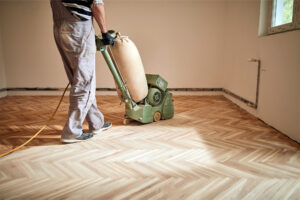
The Case for Refinishing: Bringing the 1950s into 2026
Solid hardwood is one of the few flooring choices that can actually get better with age. If your floor is structurally sound, refinishing is often the most sustainable and cost-effective route. Here are a few things to consider.
- Look at the edge of your floorboards near a floor vent or doorway. If you see at least an eighth of an inch of wood above the tongue-and-groove connection, you have enough wear layer left for a professional sanding.
- Don’t let the dated, high-gloss finish fool you. Once sanded to raw wood, that 1970s oak can be transformed into something trendier—think Nordic ultra-mattes, warm wheat tones, or even deep espresso stains that highlight the natural grain.
- Older wood has often settled and reached an equilibrium with Idaho’s climate, making it incredibly stable.
The Case for Replacing: When to Start Fresh
While we love a good restoration, there are times when your existing floors cannot meet the demands of modern interior design or structural integrity. Consider these aspects.
- The biggest design shift in 2026 is the preference for wide-plank flooring (7 to 10 inches). If you find that the narrow two-inch planks of the past feel too busy or make your space look smaller, it may be best to modernize by switching to wide-plank engineered hardwood.
- If your floors have significant water damage from a past plumbing leak, deep pet stains that have reached the subfloor, or “cupping” that cannot be sanded flat, replacement is the safer long-term investment.
- If you’re renovating a basement or a home built on a concrete slab, your old solid wood might be prone to moisture issues. Upgrading to high-quality engineered hardwood gives you the look of real wood, along with a cross-layered core that can withstand Idaho’s seasonal humidity shifts.
Making the Decision
Ask yourself if you love the material or if you love the layout. If you appreciate the history and tight grain of classic oak, refinishing is a beautiful way to honor its heritage. If you are looking to completely change the vibe of your home to something more contemporary, a new installation is the way to go.
Ready to Uncover Your Floor’s Potential?
Whether you want to breathe new life into your original hardwood or explore our massive selection of wide-plank engineered flooring, the experts at Nampa Floors & Interiors are here to help. Get in touch today and let our team evaluate your current floors. We’ll help you weigh the costs and benefits so you can move forward with total confidence. Or, visit us in Nampa or at one of our two Boise locations to get started!